
Our Work · Health
It's simple. Latrines save lives.
In 2015, Cheerful Heart Mission, in partnership with the Black Rock Church in Fairfield, Connecticut, completed the installation of 1,250 latrines (CHM 725, Black Rock 525) in the community of Tilori. Our second major sanitation project was the installation of 825 latrines in the neighboring community of Lamielle, Haiti. In March of 2018, we accomplished our goal by installing a latrine at every home, every school, and every church in this impoverished community.
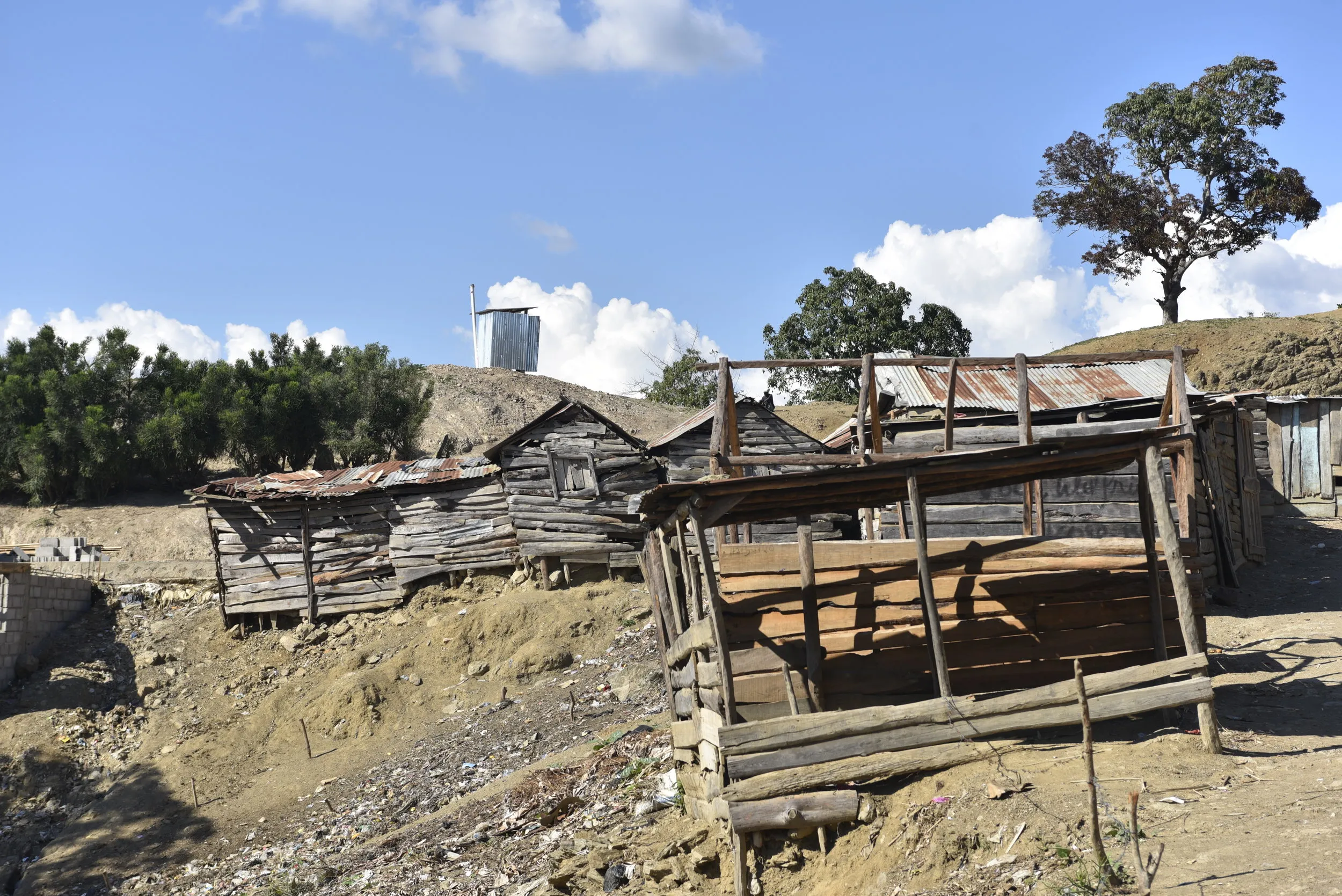
Lamielle is an exceptionally poor community in the Central Plateau of Haiti. It has a population of 4,336 people living in 812 homes — only 26 of which had a functioning latrine. Most people were forced to defecate in shallow pits or open fields. Because drinking water is sourced from the local river, the resulting public health issues from improper disposal of human waste were devastating, spreading bacterial, viral, and protozoal infections, including cholera.
Local healthcare professionals have indicated that since the completion of the Tilori and Lamielle latrine projects, the incidence of cholera originating in these communities has decreased dramatically, to zero. The doctors and nurses there could not be more pleased.
- 2,400
- Latrines built across three communities
- ~0
- Cholera cases originating locally, post-project
- 3
- Communities served: Tilori, Lamielle, Lagua
The Lagua Latrine Project
850 latrines over 34 months
A public health crisis also existed in Lagua, Haiti, an impoverished community in the Haitian Central Plateau. Life-threatening gastrointestinal disease was endemic, spread through surface water contaminated with human waste. The most vulnerable — the young and the elderly — were at greatest risk.
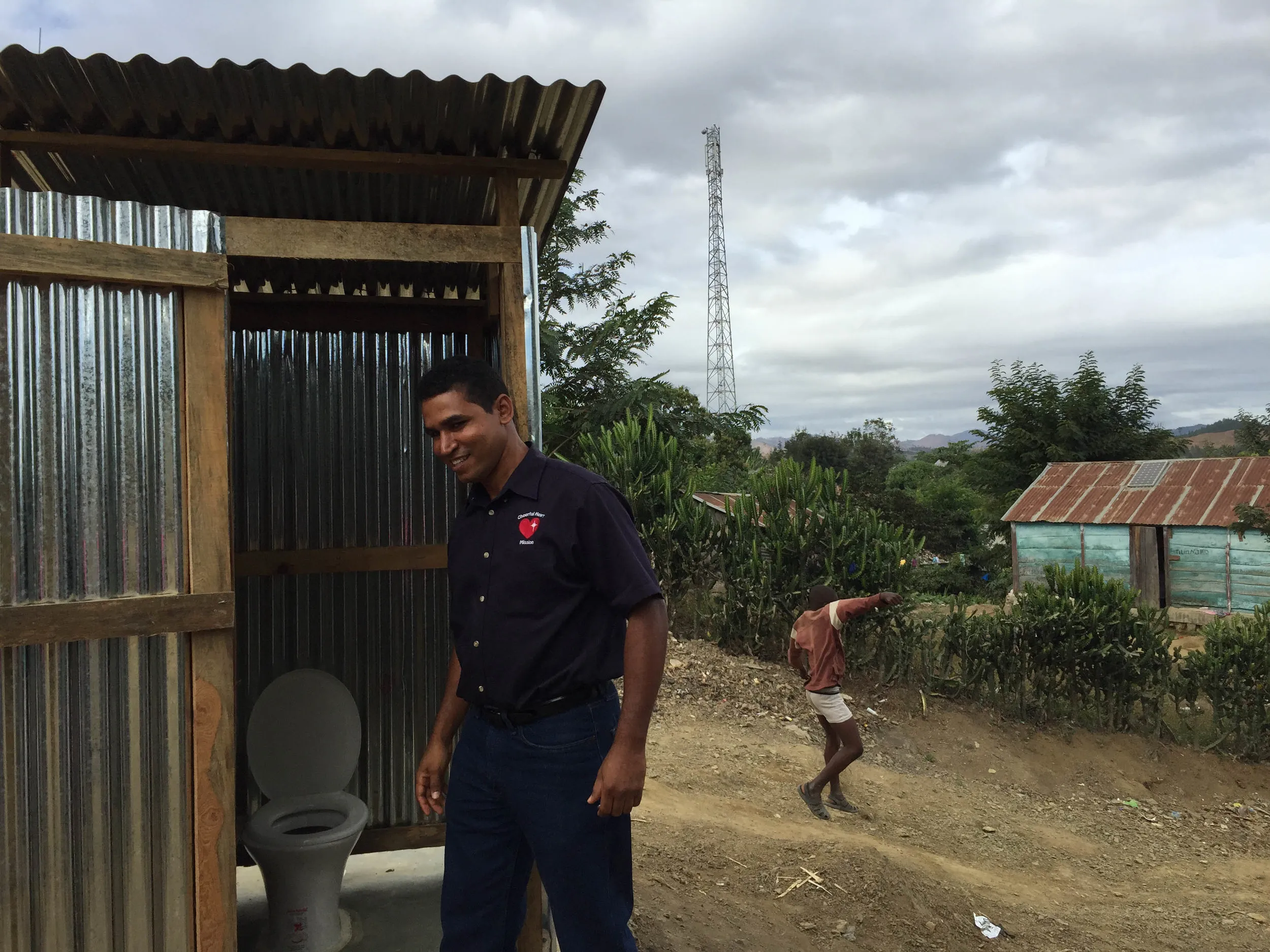
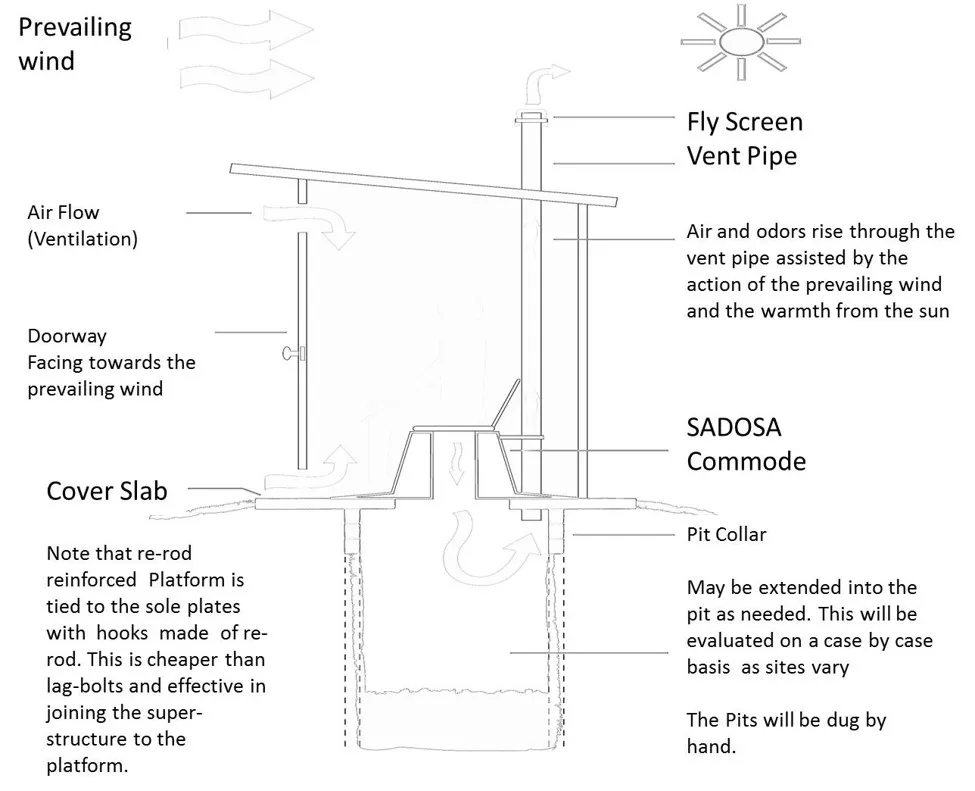
In the second quarter of 2019, Cheerful Heart Mission began a project to construct 850 ventilated improved pit latrines in Lagua, completed in 2022. Installations included 765 at existing dwellings, 28 at new dwellings, 40 at schools, 12 at churches, and 5 in public areas. The latrines were provided free of charge to recipients, who volunteered their own labor to help build them.
In preparation, the Mission conducted a census of Lagua in 2018 — before which the population and number of dwellings were unknown even to the Haitian government. The effect on public health has been a dramatic reduction in infectious gastrointestinal disease, and cases of cholera in Lagua dropped to near zero after the project was completed.
Life in Lagua
A young community with no safety net
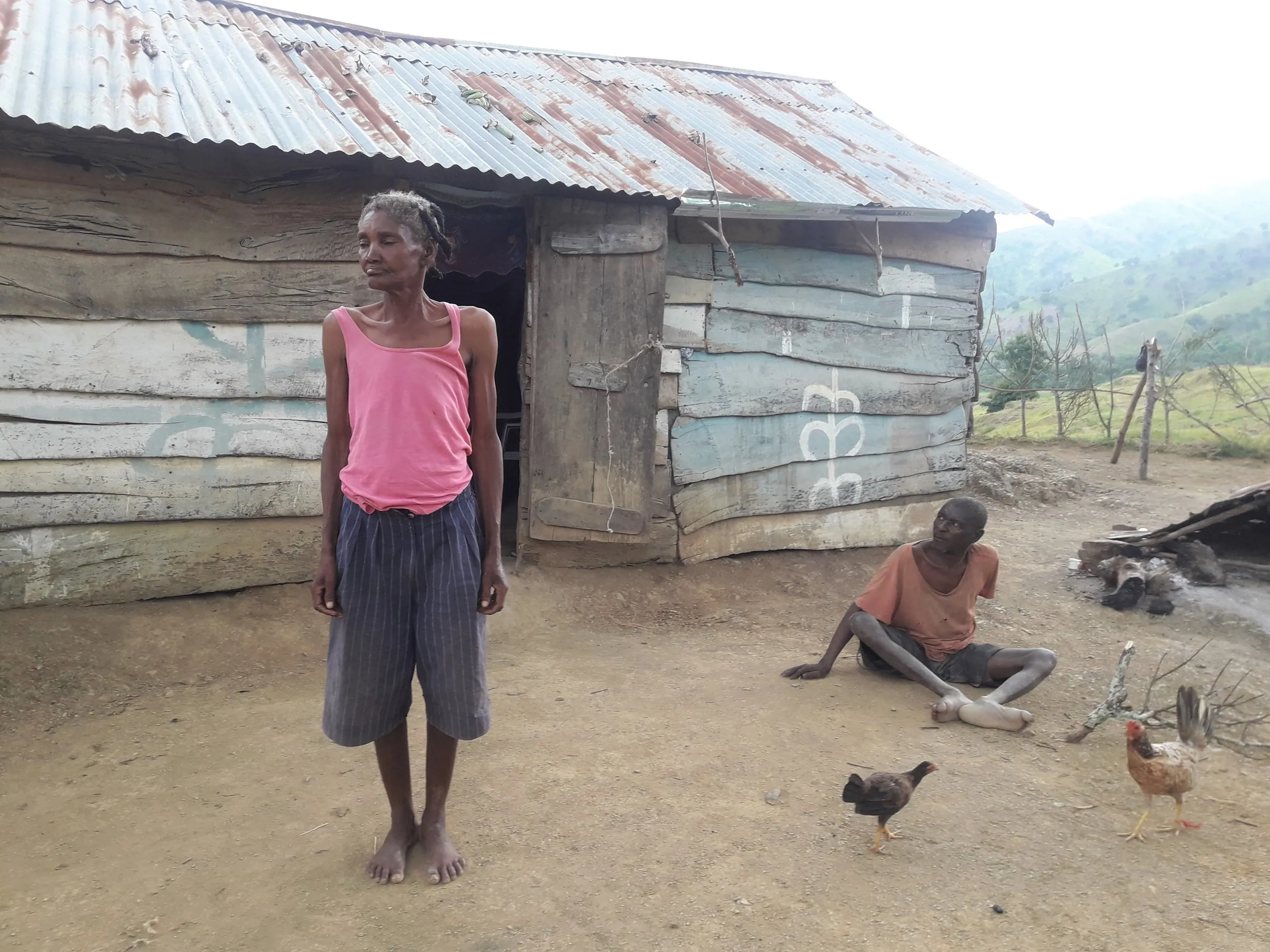
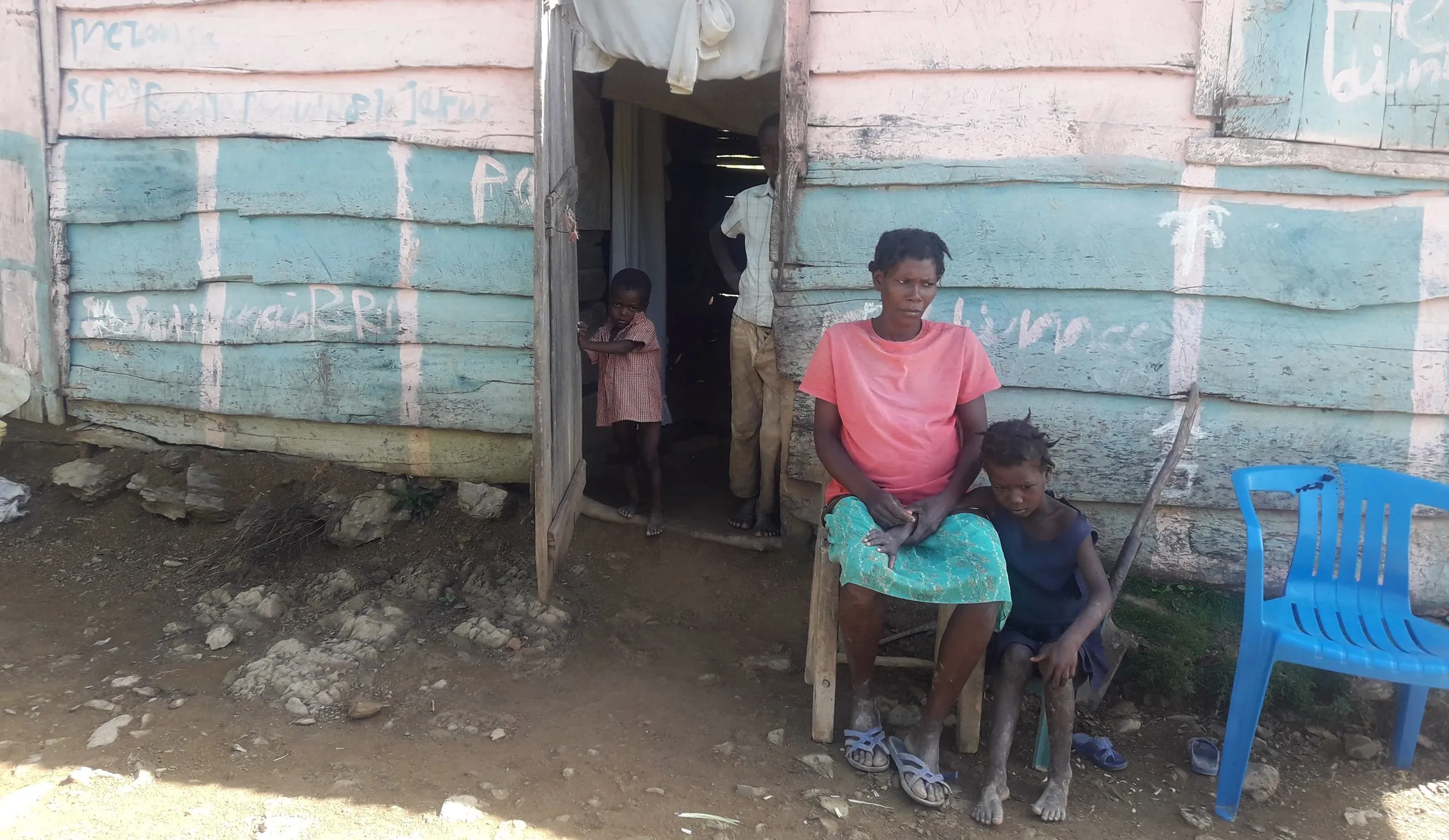
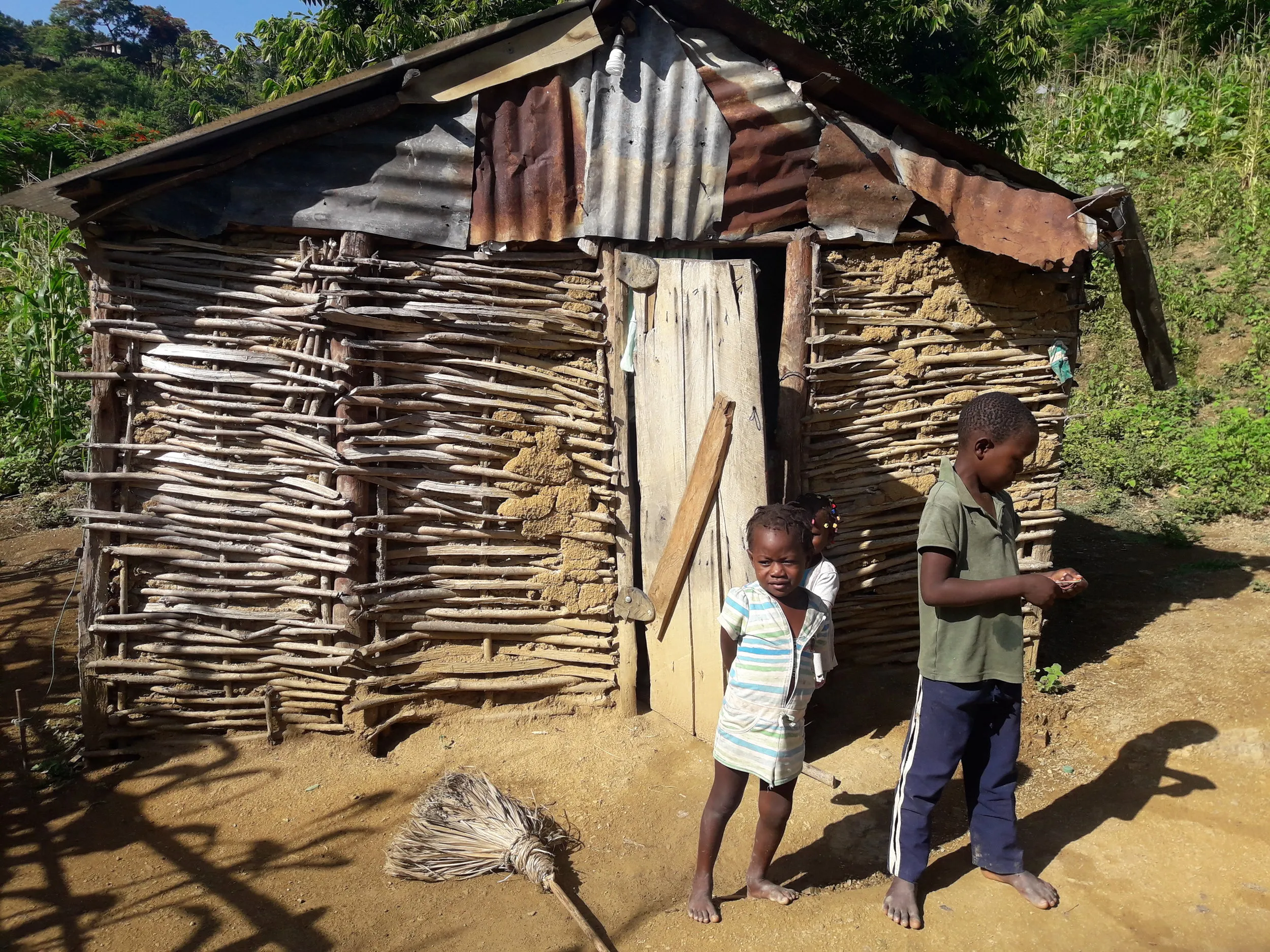
Lagua has a population of 4,176 people. It is a rural farming community made up of 765 modest dwellings across nine neighborhoods. The population is very young: people nineteen and younger represent fifty-six percent of the population. Educational opportunities are limited — twenty-nine percent of children between ages five and nineteen do not attend school, and classrooms built for twenty often hold sixty to seventy students.
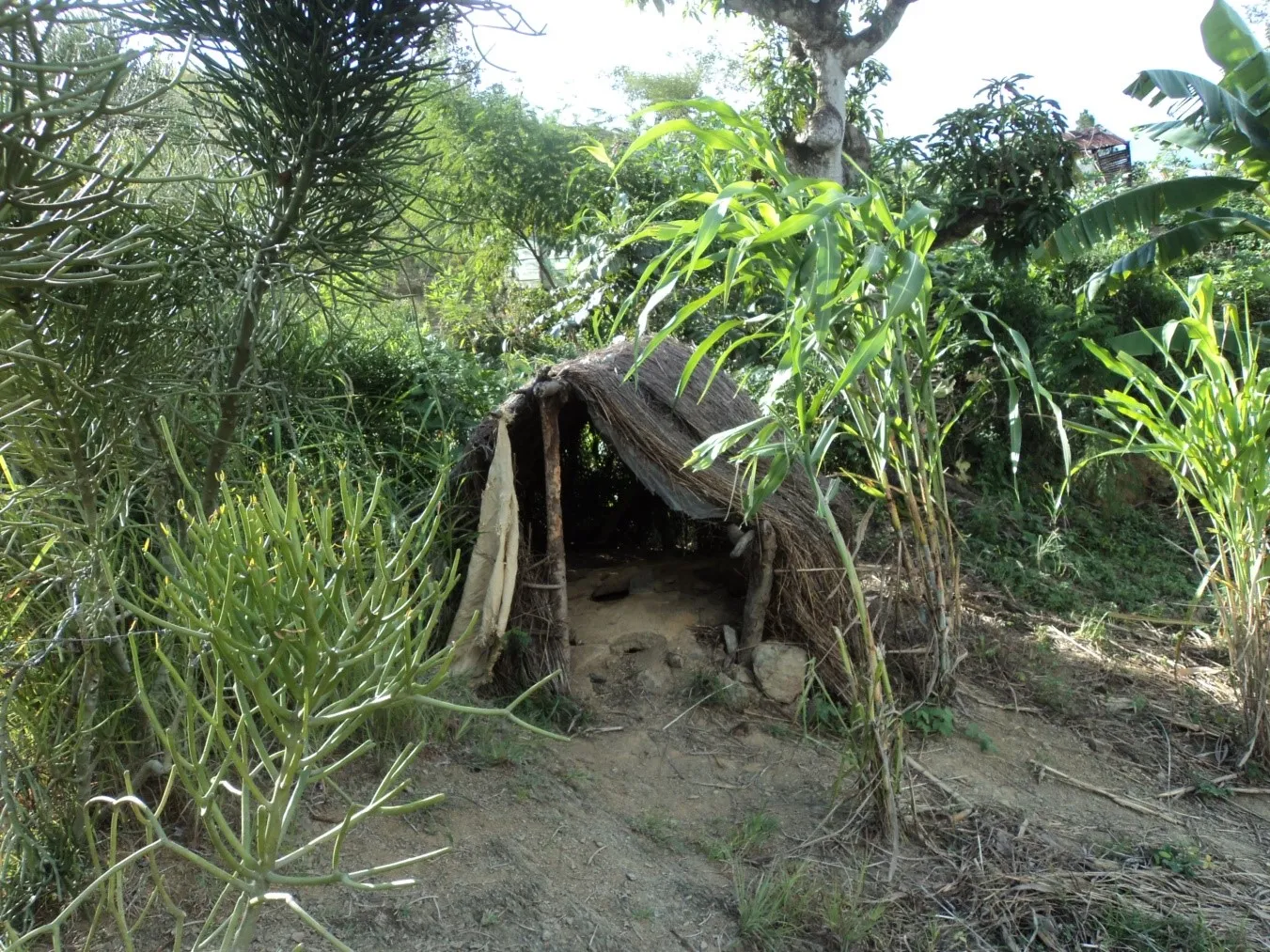
Only forty-five percent of dwellings can be reached by road; many are accessible only by animal paths. Lagua has no social services, no security or emergency services, and no public utilities for electricity, water, or communications. Of its 765 dwellings, only 29 had any type of sanitation, and only 2 had functioning latrines. Lagua was primarily an open-defecation community — with a dramatically negative impact on public health, both within Lagua and in communities downriver.
Watch
Latrine Mission
It's simple. Latrines save lives.
Partnerships make this work possible. If your church or organization would like to help, we'd love to talk.