
Our Work · Economic Development
Operation Mango Tree
Seeds, trees, tools, and training that help families feed themselves and build a livelihood.
For the people living in the Lamielle section of Haiti — the communities of Tilori, Lamielle, and Lagua — food security is a matter of an improved quality of life. Sometimes it is a matter of survival. Many people in Haiti live on less than two dollars a day, which is not enough for three meals. One meal a day is common, and some days a family will skip meals altogether. This leads to malnutrition, especially in children.
The people of these three communities have a strong desire to improve their situation, and families want to work together to improve their food production and their nutrition.
The project
Completed in 18 months
- 200
- Families across three communities
- 5,000
- Mango trees planted
- 100
- Vegetable & short-cycle crop plots
- 18 mo
- Project duration
The project consisted of three components: the installation of 50 vegetable patches, the installation of 50 plots of short-cycle crops, and the planting of 5,000 mango trees.
The vegetable patches — cucumber, eggplant, carrot, radish, cabbage, lettuce, beets, and okra — are grown and harvested within 45 to 60 days. The short-cycle crop plots — peanuts, beans, corn, millet, black-eyed beans, pigeon beans, and squash — are grown within 90 to 120 days. Families received seeds, fertilizer, garden tools, and fencing, along with training on best practices for planting, growing, and harvesting.
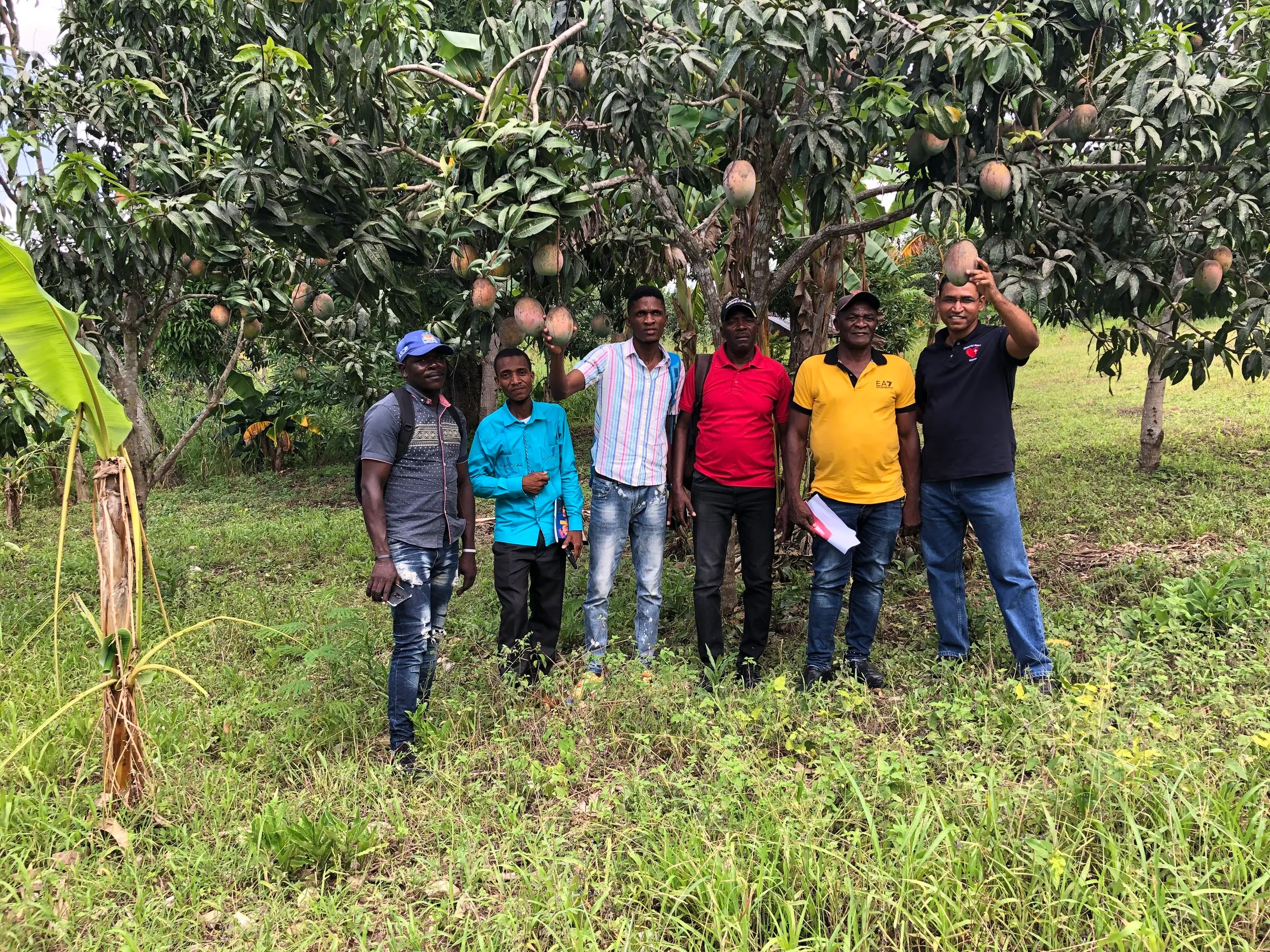
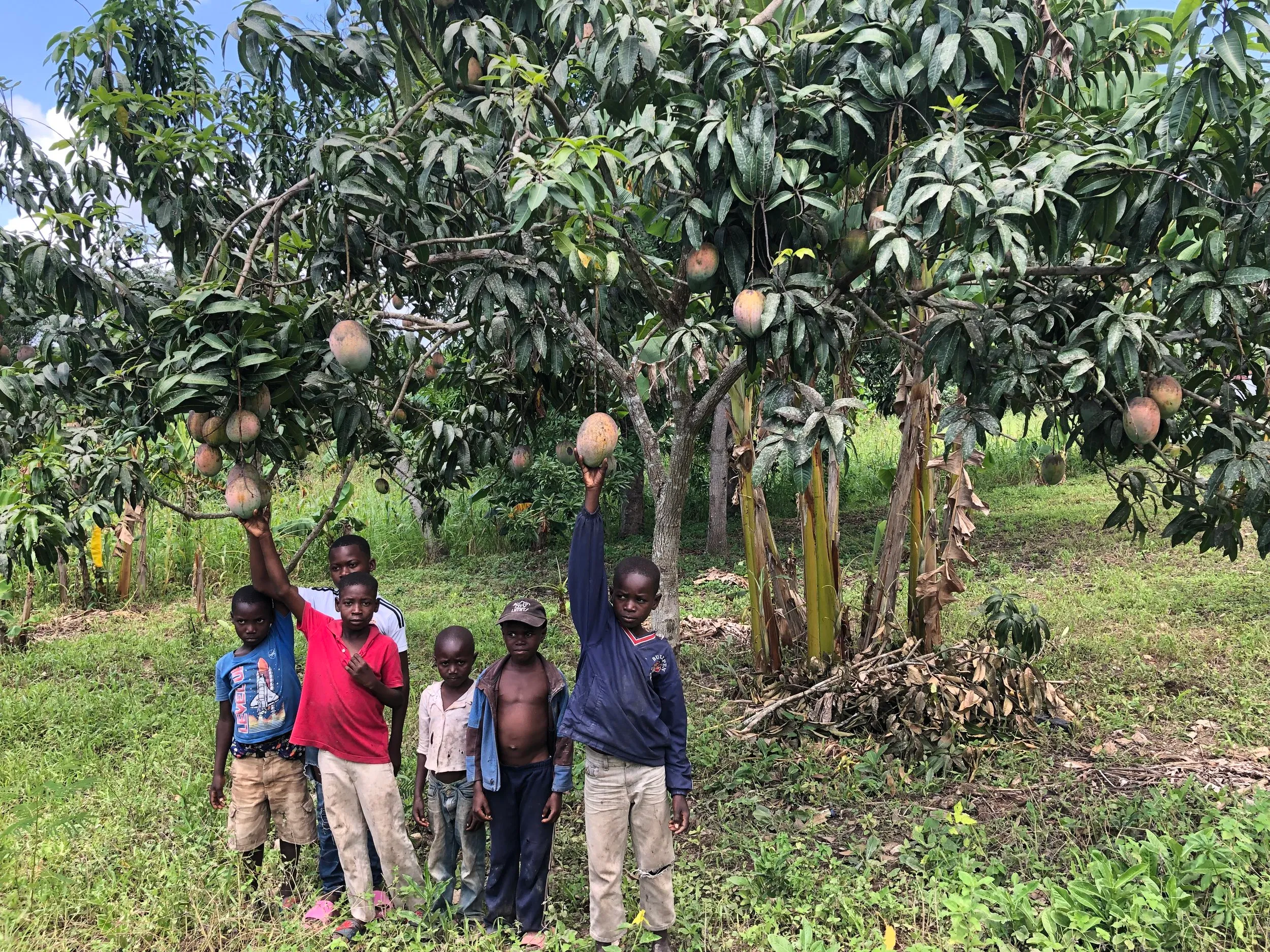
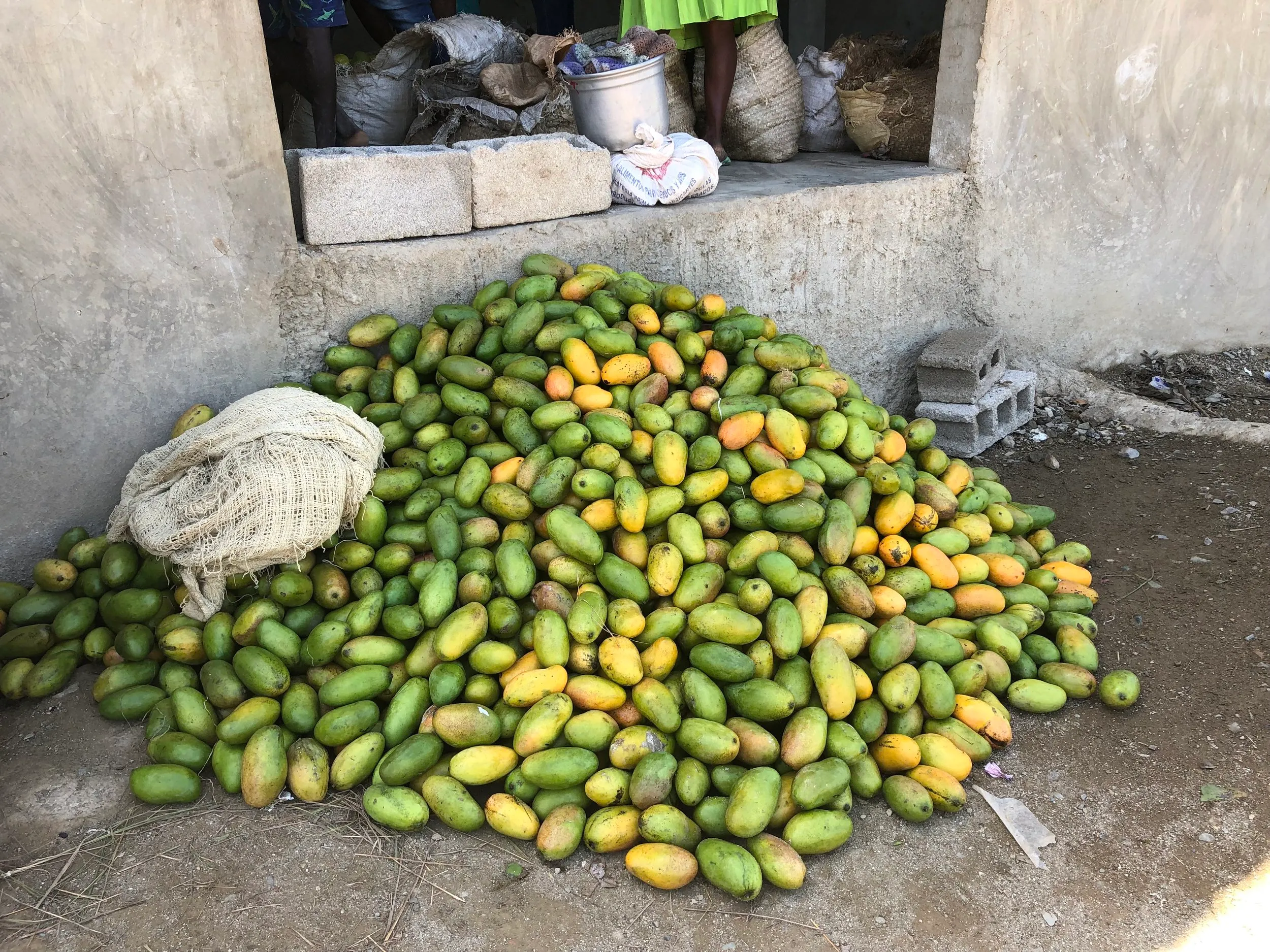
Families with adequate land received mango trees. The best variety for the climate of Haiti is the Kent mango, purchased from nurseries in the Dominican Republic. The mango is a highly valued fruit and one of the area's income sources: from May to August, a large mango trade brings sellers to the Tilori market, where buyers distribute the fruit to supermarkets and hotels in the Dominican Republic.
A partnership that made it possible
Carried out together
The children of the The Community Church in Kinnelon, New Jersey partnered with Cheerful Heart Mission to help carry out the Food Security Project through Operation Mango Tree. It is a model of the kind of church and community partnerships that bring this work to life.
Partner with us
Church and community partnerships make projects like Operation Mango Tree possible. If your group would like to help, we'd love to talk.